
The Language and Image of Us
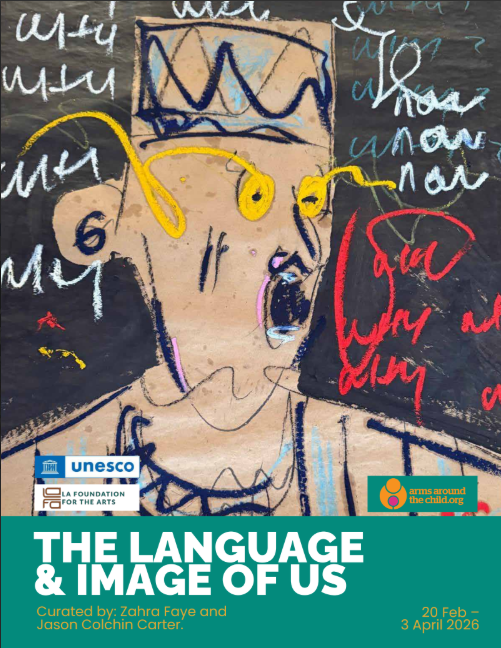
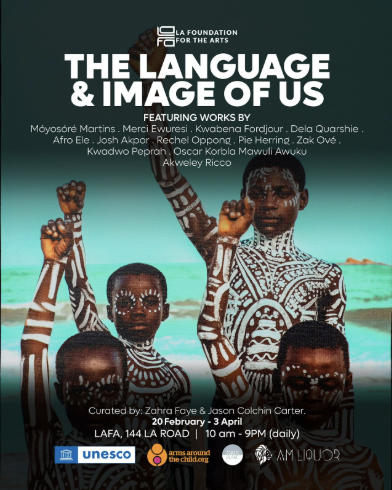
From 20th February – 3rd April 2026, a group of artists of the African Diaspora have come together to create The Language and Image of Us – a group show demonstrating how African artists are reworking the tools that were used to distort them.
Curated by Zahra Faye and Jason Colchin Carter, this exhibition is sponsored by UNESCO and takes place at LaFa Foundation in Accra, Ghana.
“Language and image, two instruments that have shaped how we’ve been perceived for centuries. They’ve been used to rename us, our bodies, our countries, and our gods. They’ve drawn us without asking. Captioned us without consent. Made images of us that we didn’t choose. This exhibition brings together artists from Ghana, Nigeria, Benin, Togo, the UK, and the wider African diaspora whose practices challenge the way black bodies, black histories, and black expressions have been framed. The works span painting, sculpture, textile, installation, and mixed media. Most importantly, they span intent.”
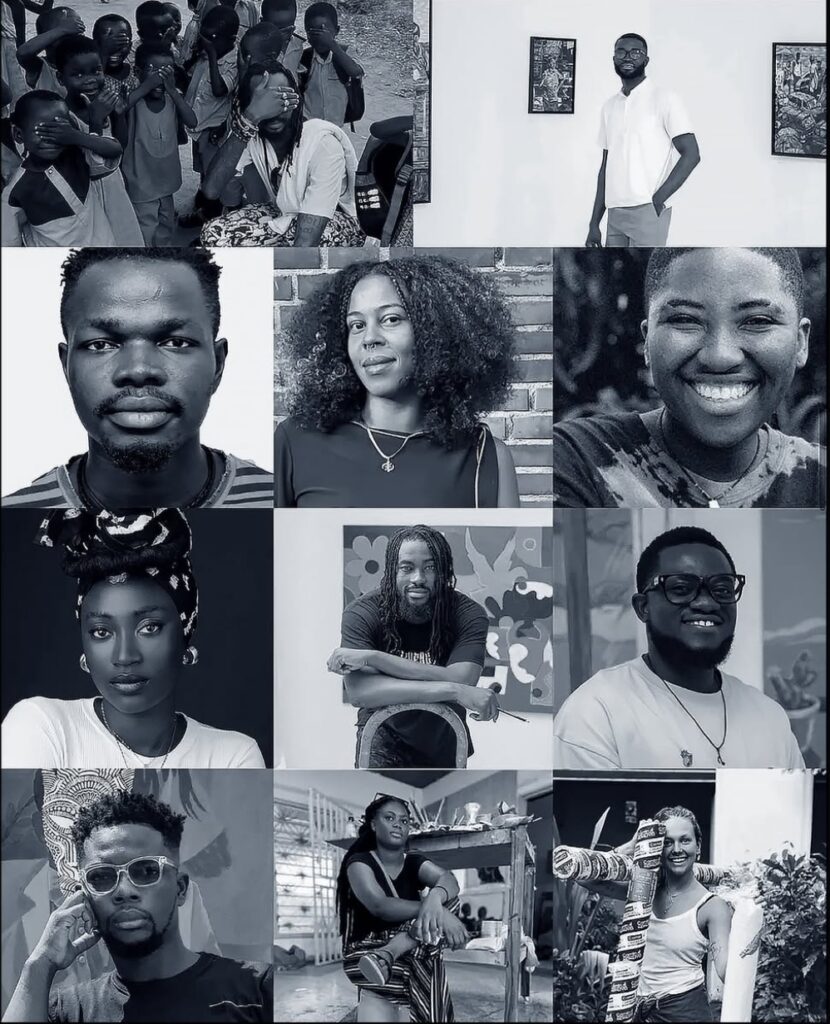
The show includes pieces from fantastically talented artists, including Móyòsóré Martins, Merci Ewuresi, Rechel Oppong, Oscar Korbla Mawuli Awuku, Dela Quarshie, Pie Herring, Christèle Codo Clotilde Pauline, Kwadwo Peprah, Millicent, Kwabena Fordjour, and Josh Akpor.
Some names may be familiar to those familiar with our work here at Arms Around The Child – Pie Herring, Móyòsóré Martins and Josh Akpor have all taken part in the Arms Around The Child Artist Residency, and Kwadwo Peprah decorated the Christian Atsu School through his Charity Painting initiative.
“The artists in this exhibition take language and image into their own hands and on their own terms. Some use discarded materials from the ocean to show what has been dumped, erased, and returned. The ocean has long carried the weight of African lives through slavery, migration, and colonialism.
Others work with synthetic hair and natural fibres. Hair that was once worn, straightened, extended, and rejected becomes structured. It speaks, becoming language and something that can no longer be thrown away quietly.
Others paint bodies with symbols from precolonial cultures. It’s not spiritualism for aesthetic’s sake. It’s a way of rejecting imposed systems in favour of older ones. Using the skin as a site of knowledge, communication, and cultural retention. “
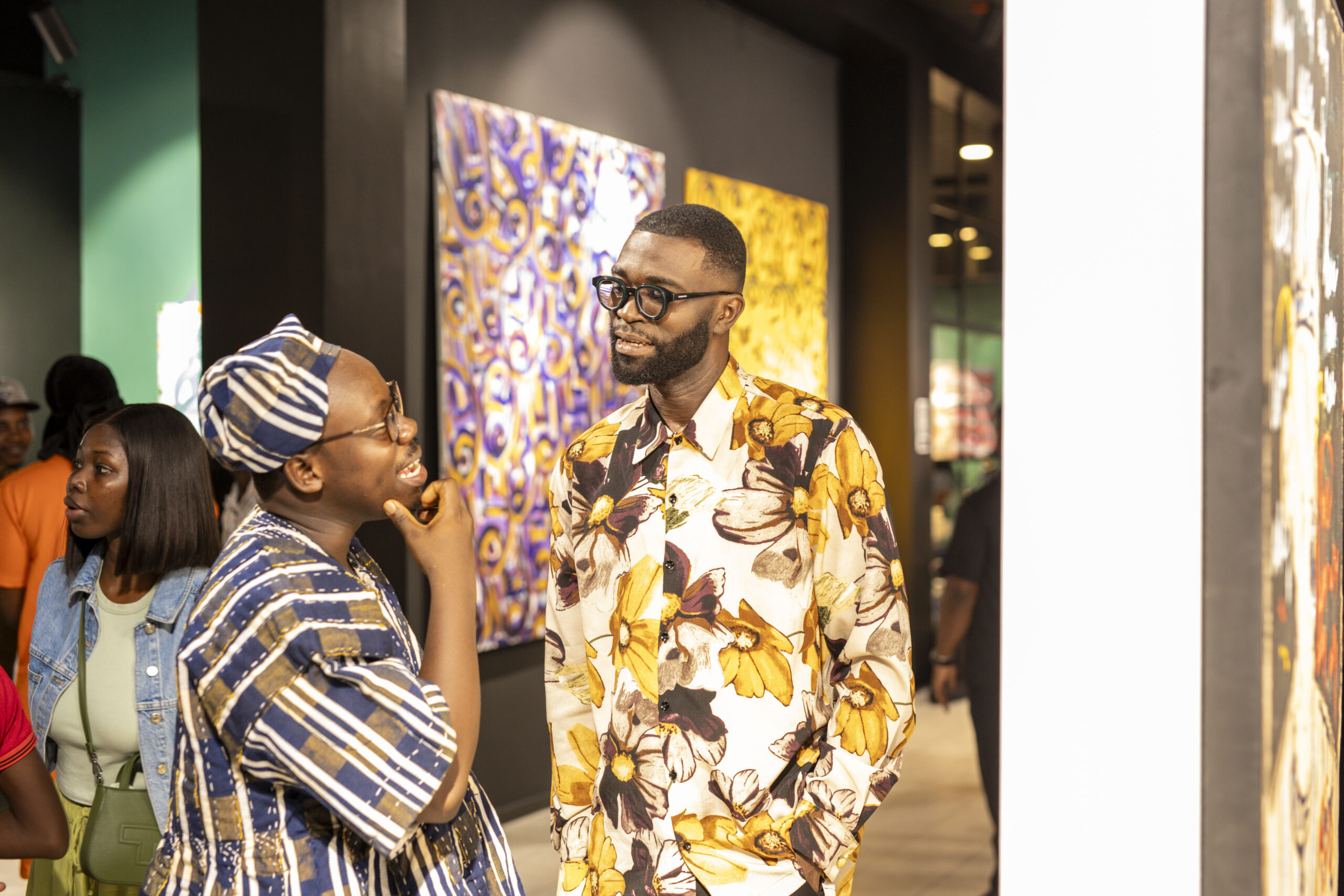
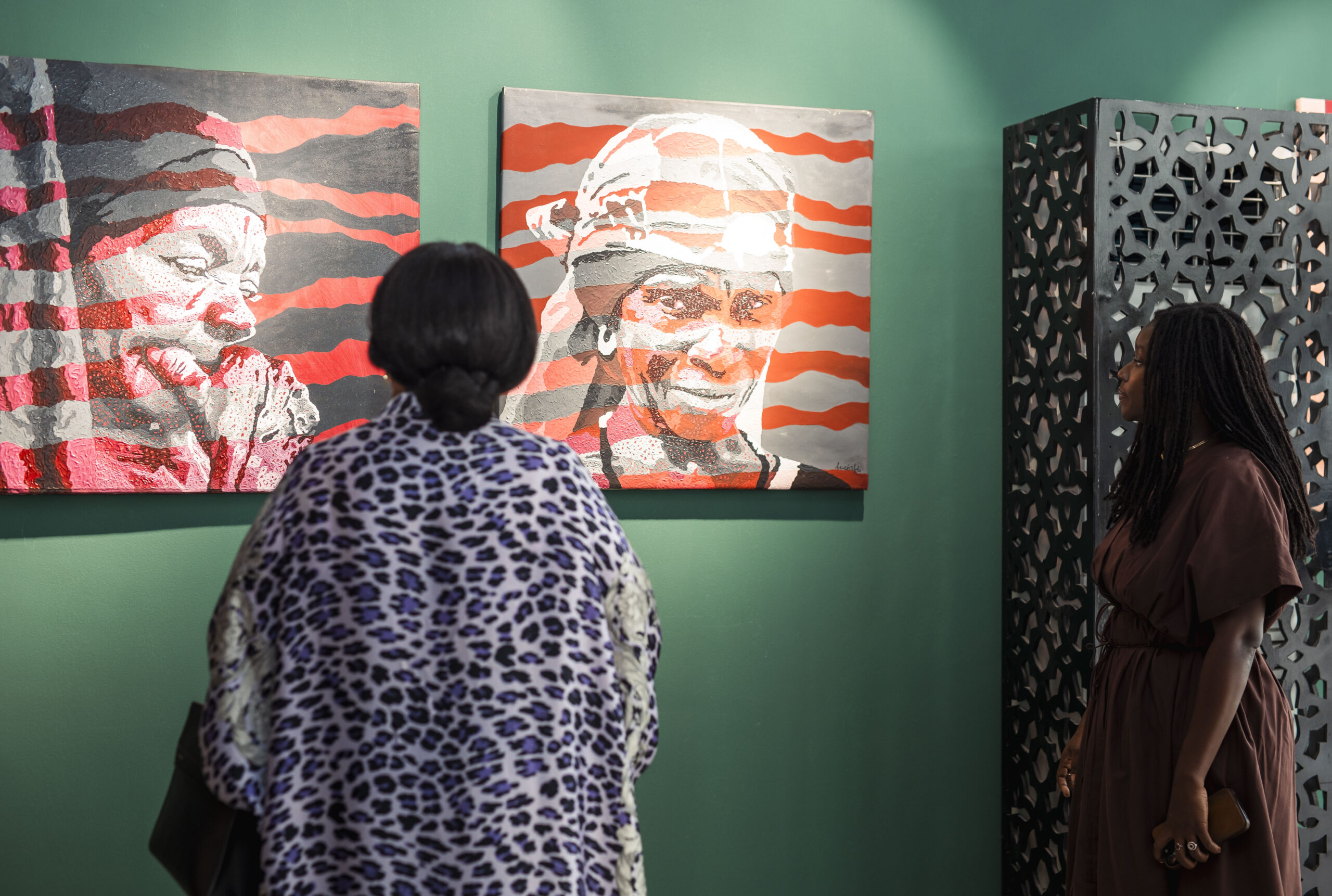
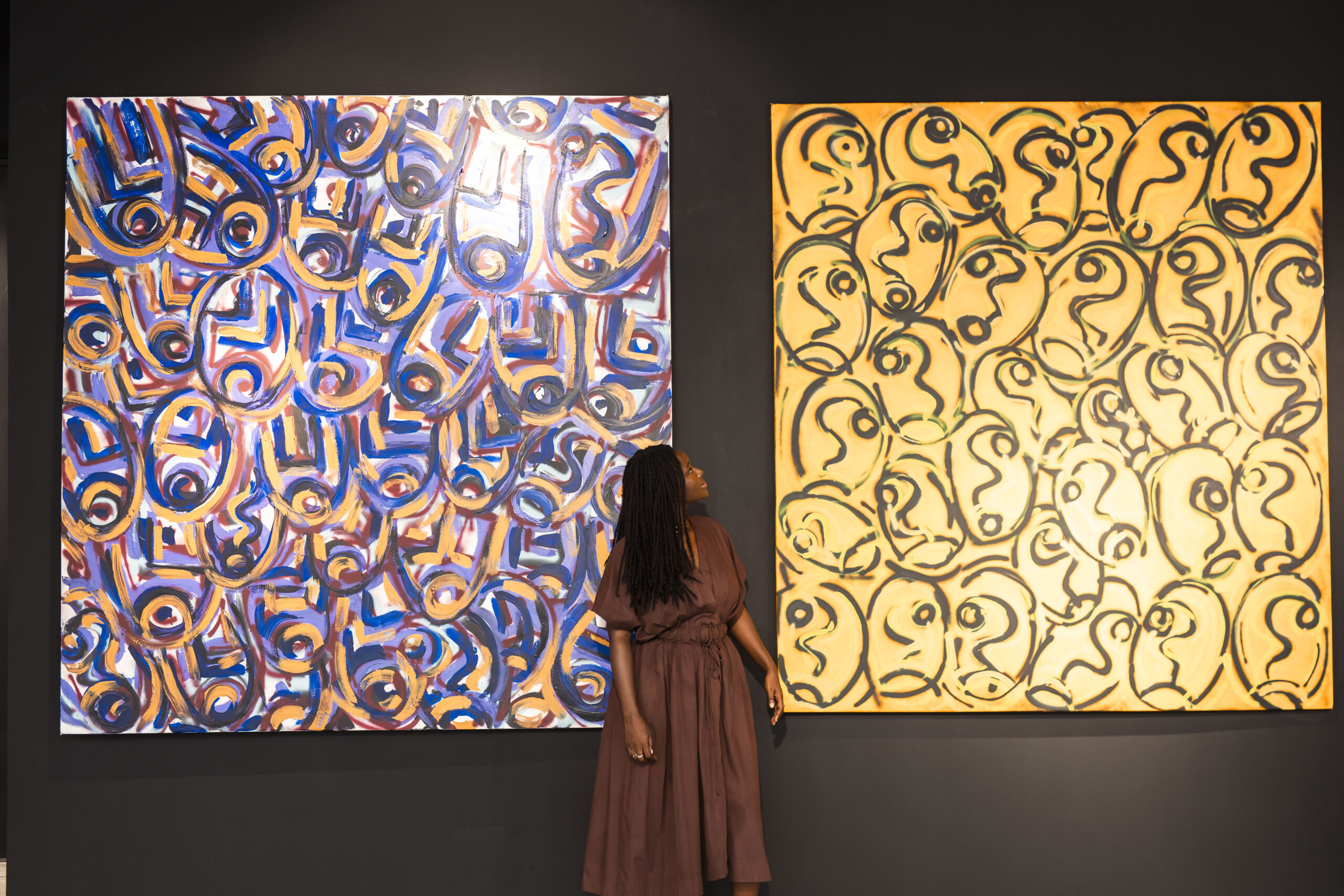
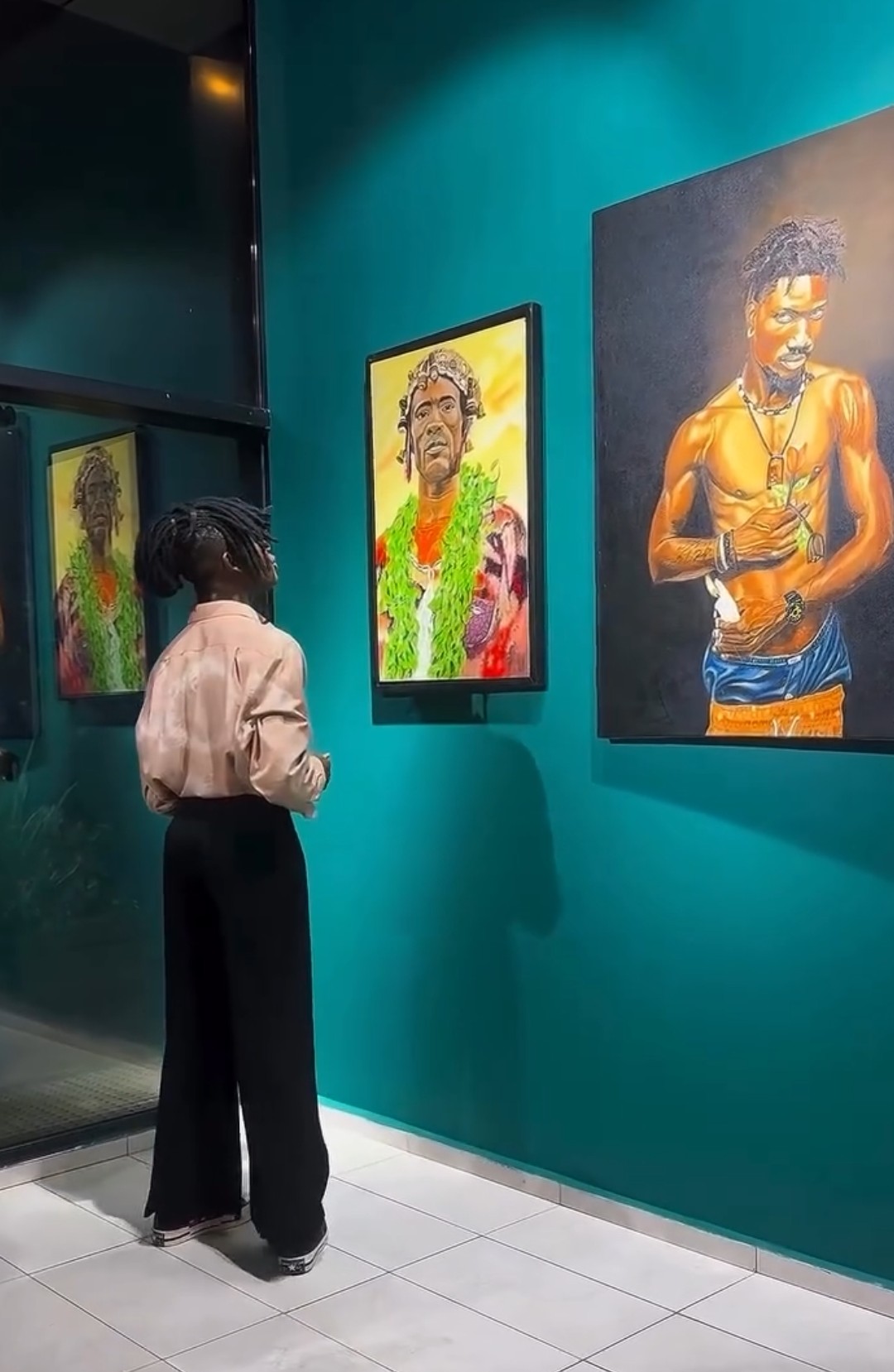
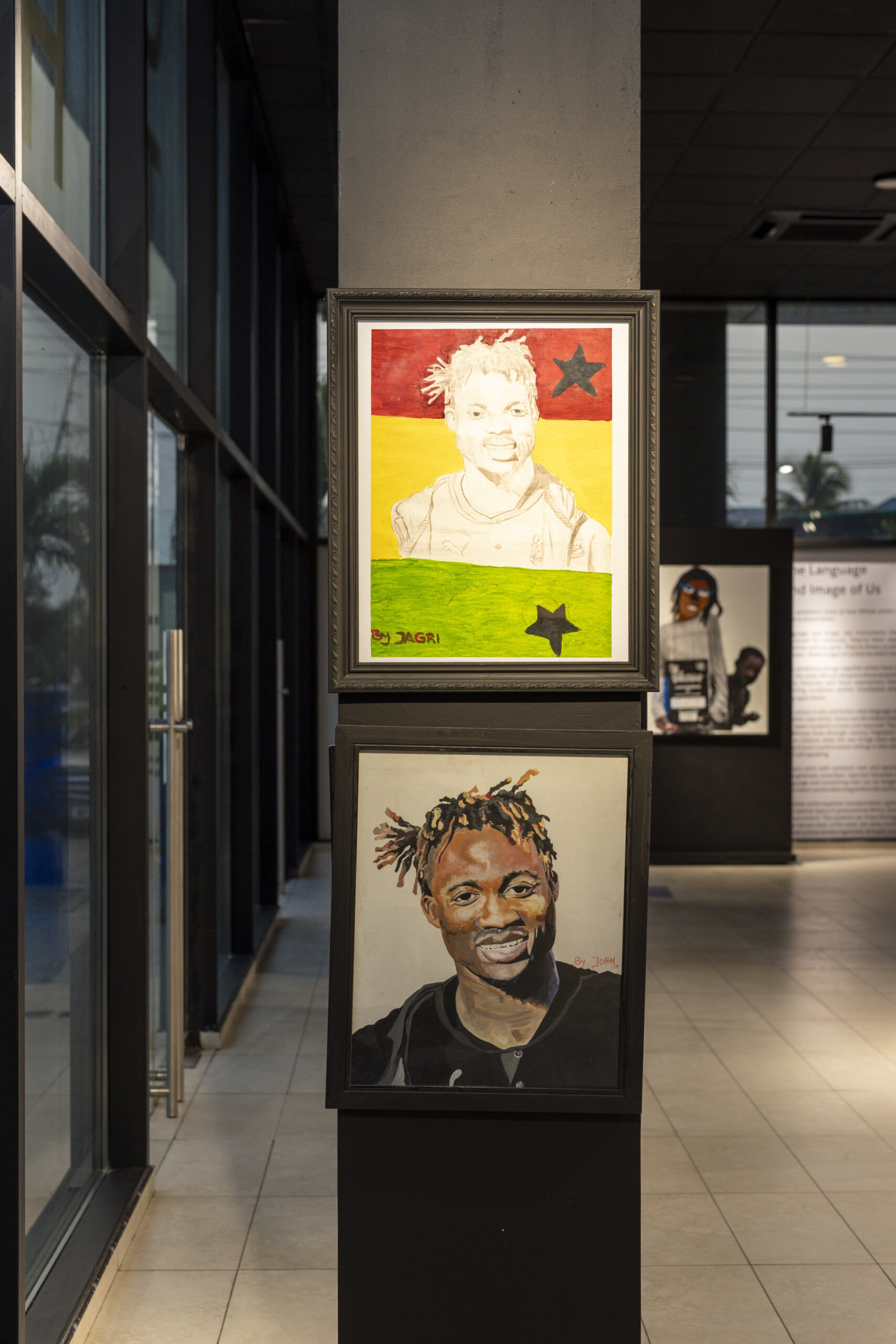
“All of it ties back to a central aim which is to build a self authored visual record. One that stretches across personal, political, spiritual, and social lines. These artists are not offering simplified stories. They are showing the complexity we’ve always held. They are doing what museums, governments, and textbooks often refused to: represent us without reducing us.”
A portion of the funds raised from the selling of pieces will go towards Arms Around The Child and our mission to create safer, brighter futures for children who have lived through adversity. Some of the children’s pieces of Christian Atsu, from their lessons with Pie Herring, even featured in the show.
Follow us